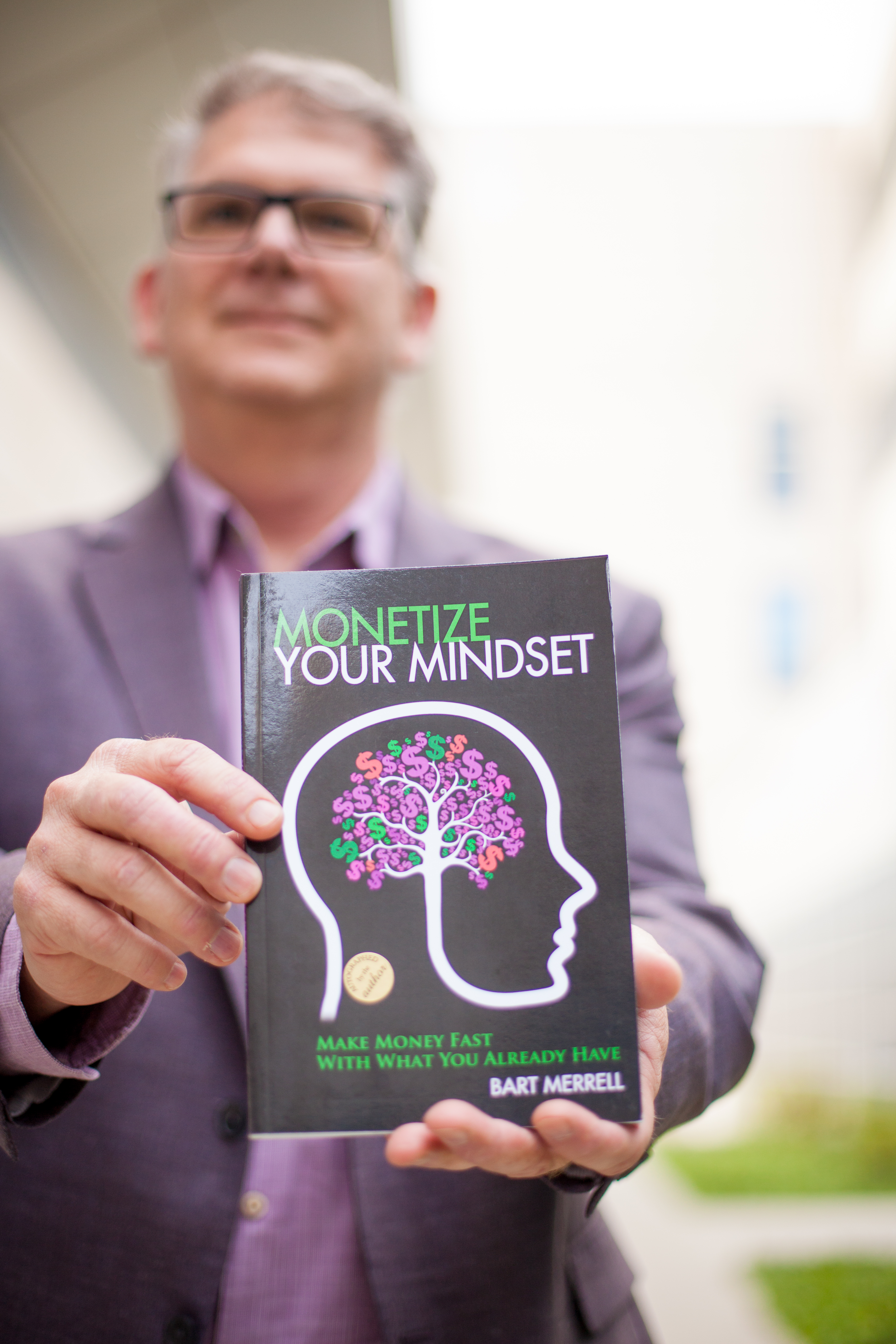
Monetize Your Mindset
Create Financial Security by Monetizing What You Already Know
"If you don't find a way to make money while you sleep, you will work until you die." — Warren Buffett
WHAT HAPPENS WHEN
WHAT HAPPENS, HAPPENS?
The phone rang from Nagoya, Japan. It was my wife.
She told me, calmly, that the tests indicated cancer.
I was calm too — on the outside. On the inside, I was doing math at three in the morning. Could I drop everything and fly to her side? Could I afford the months of treatment, the travel, the lost income?
The numbers didn't work.
Eight sleepless nights later, the second call came. The tumors were benign. We got lucky.
But I didn't forget. Because here's what I knew about myself that I couldn't un-know: if the results had been different, I wasn't ready. Not emotionally. Not logistically. Not financially.
Most people aren't.
Most people are one phone call, one diagnosis, one accident away from the same terrifying math I was doing at three in the morning.
What will you do when it happens to you?
That's why I wrote this book.
IDENTIFY THE ENEMY
THE REAL ENEMY ISN'T LACK OF MONEY. IT'S LACK OF READINESS.
TRADING HOURS FOR PENNIES
Carolyn was up at 4 a.m. on a paper route that "earned" her almost nothing after mileage. She sewed sixty hours a week for a trickle of income. She was one of the hardest-working people you'd ever meet — and she was conditioning her children to feel a constant state of want. Working harder isn't the answer. Working differently is.
THE TODDLER NO ONE VISITED
There was an eighteen-month-old boy in the burn unit who fell into a campfire. His mother couldn't come. She couldn't afford to miss work. Picture that choice: stay at your child's bedside during the worst moment of his life, or keep your job so he has a home to come back to. You cannot do both. Not without a different kind of income.
THE OPPORTUNITY YOU'LL MISS BECAUSE YOU AREN'T READY
I once stood in front of a multi-million-dollar idea called Topgolf — years before it came to America. I saw it. I recognized it. I did nothing, because I didn't have it all figured out yet. By the time I was "ready," it belonged to someone else. Opportunities don't disappear. They just find someone who is.
NO EXCUSES. NO HESITATION. ONLY EXECUTION.
THE THREE QUESTIONS THAT CHANGE EVERYTHING
You don't need a business plan. You don't need investors. You don't need a degree. The people in this book didn't have any of that. What they had was awareness — the awareness that what they were already doing had value to someone else.

WHAT DO YOU LIKE TO DO?
Brad kept bees as a hobby for ten years before a friend showed him how to turn it into $15K–$20K a year of extra income. I loved music so much it nearly bankrupted me at fifteen — until I rented a community center, hired an off-duty cop, and netted $500 in a single night spinning records. Hobbies cost money. Businesses make money. Which one do you have?

WHAT DO YOU NEED TO DO?
Thomas got fired six times from a tribal HR job — and won every appeal. Somewhere around the fourth victory he thought: I'm actually good at this. He built a four-decade career and a documented 97% win rate from a skill he never set out to learn. When I lost my lower left leg in 2024, I asked myself the same question I've used my whole life: Okay. This is happening. How can I monetize it? Six months later, I was helping other amputees navigate the journey.

WHAT ARE YOU ALREADY DOING?
Bob couldn't remember anything in college — until he learned how to. Then he started teaching other students for fun. Today he's a six-figure professional speaker. Keri and her sisters complained about the price of getting their nails done. That conversation became Jamberry — sold five years later for a piece of half a billion dollars. The opportunity is usually closer than you think. Sometimes it looks like a pile of pig poop. (Read Chapter 18. I'm not kidding.)
ORDER OFF THE LEFT SIDE OF THE MENU
When I was twelve, my Uncle Webb told me to order anything I wanted from the menu at a dinner theater in Durango. I chose the prime rib — the most expensive thing listed. I'd never had it before. I've had a love affair with it ever since.
But the real gift that night wasn't the food. It was the feeling.
The left side of the menu is what you want. The right side is the price.
Most people order off the right side their entire lives. They look at the cost first and work backwards to figure out what they can settle for.
This book is about building a life where you can order off the left side.
PRAISE FOR MONETIZE YOUR MINDSET
"Congrats, Bart, on this simple yet profound masterpiece that illuminates a revolutionary approach to creating and sustaining wealth. Monetize Your Mindset is a must read for everybody at every level of income because it is not a how-to-do book, it is a how-to-think book — a book that recalibrates the way we think about money, and how to make it."
— Dan Clark, New York Times bestselling author of The Art of Significance, Hall of Fame Speaker
"More than a how-to book; it fundamentally changes the way you think about money. It awakens your entrepreneurial spirit and helps you see opportunities all around you."
— Ty Bennett, author of Partnership Is The New Leadership
"Bart's straightforward approach to capitalizing on what we are already doing and what we are passionate about makes a lot of sense. It also creates a sense of hope. Everyone has something to contribute, for which others will pay us. Usually it is much closer to us than we think."
— Paul H. Jenkins, Ph.D., Positivity Psychologist
"I had to force myself to stop reading when I was supposed to be working on something else. Love this book."
— Jason Hewlett, CSP, CPAE, Hall of Fame Speaker
"This book is a must-read. I have practiced the principles in my own business. It changed the course of my life financially and emotionally in a way that truly makes the world a better place."
— Clint Pulver, professional speaker, "Be The Anomaly"
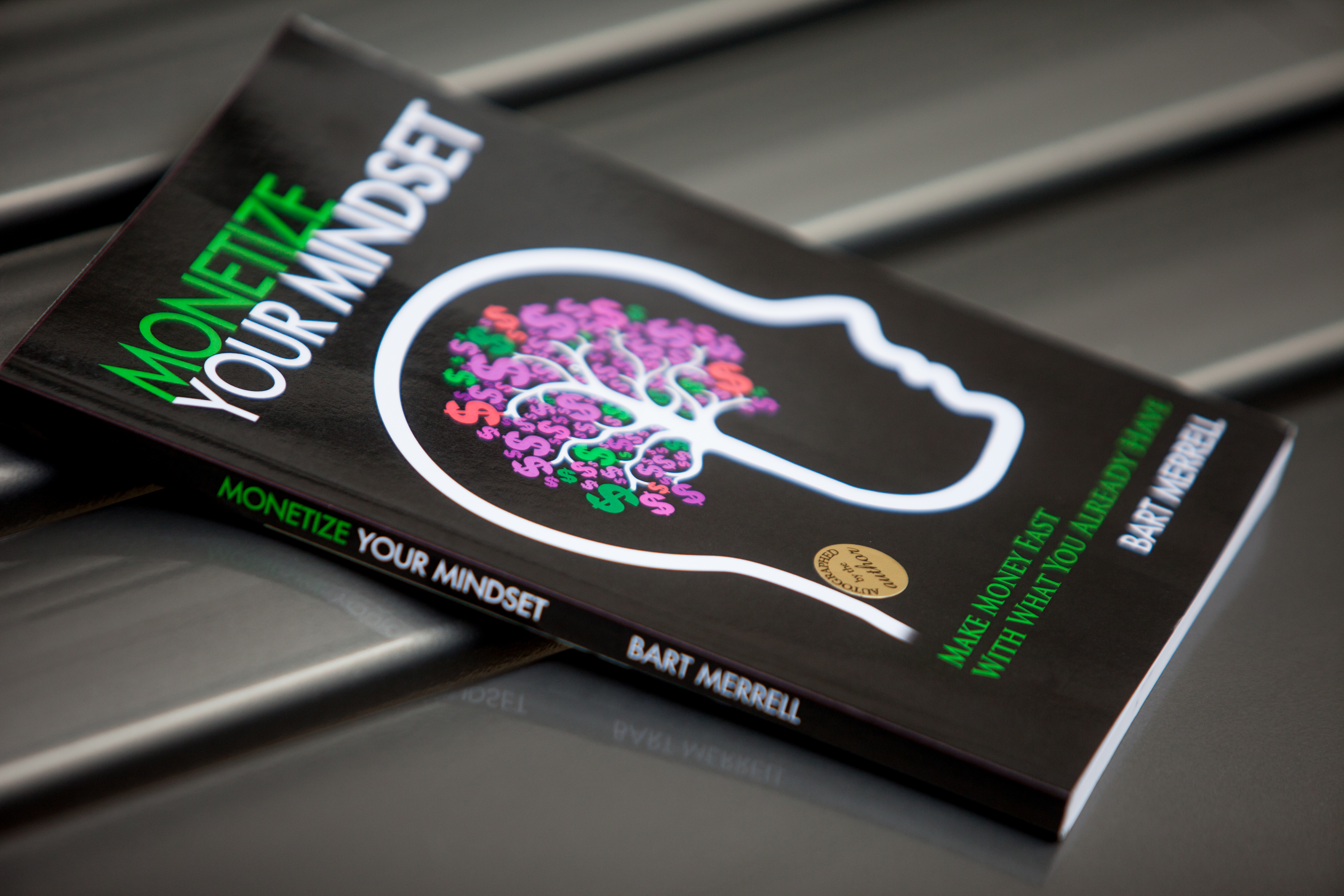
CLAIM YOUR COPY — $19.86
Less than the cost of one dinner you'd have ordered off the right side of the menu.
Then you've spent less than a dinner out and learned something about yourself. You’re somebody who actually follows through. And if this doesn’t help you at all? Then you found that out for less than you spent at McDonald’s last week and you get to move on. And are you really going to miss that money? When you have a real side hustle? Where you order off the left side of the menu?
ONE LAST THING
My dad was a pig farmer in southern New Mexico who turned into a self-made millionaire. He didn’t do it by climbing some corporate ladder or getting an Ivy League degree. He did it by spotting opportunities, working his tail off, and never thinking he was “too good” for any kind of work that could move his family forward. When I was a kid, he used to tell me, "You don’t wait for someone to hand you a job—you go create one." That’s what this book is really about. Not just strategies. Not just side hustles. But learning to think like a creator instead of a consumer. You can keep scrolling social media, watching other people build their thing. Or you can plant your flag and build yours. You don’t need permission. You just need a decision. Now go build your lemonade stand.
— Bart Merrell, The Side Hustle Samurai
CLAIM YOUR EDGE TODAY
SECURE YOUR COPY
PRICE LOCK: $19.86
Get instant access to the digital framework that separates the warriors from the workers. No fluff, no theories—just pure, weaponized habits.
WHAT YOU CLAIM TODAY:
- Monetize Your Mindset Digital Book (Instant Access)
- The Samurai Execution Plan (Daily Workflow Template)
- Zero-Friction Habit Tracker (Printable PDF)
SECURE 256-BIT ENCRYPTION
© 2026 - The Side Hustle Samurai


